-
What happened?
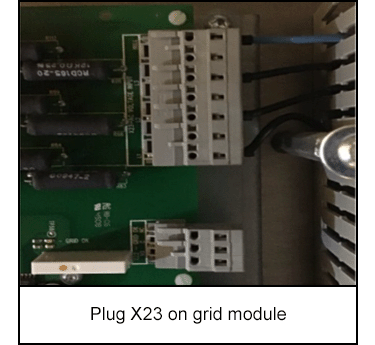
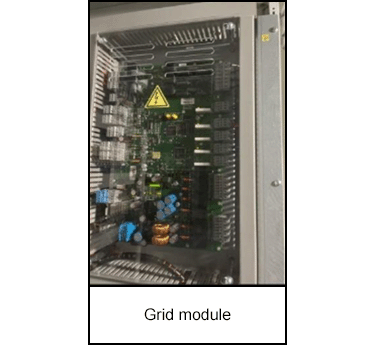
A technician received an electric shock an offshore wind farm (OSWF) while removing the plugs from the grid module.
The team were investigating a fault at the time of the incident.
The technician appeared to be unharmed, however they were evacuated for medical assessment as per the emergency response procedure (ERP) for electric shock.
The technician was assessed and had some blood samples taken before being released from hospital that evening.
-
Why did it happen?
The incident could have been prevented by better standards or administrative controls which are less ambiguous and clearer for when a safety notice should be created.
With no AWP for the work and no specific subgroup in the safety document, the work should have stopped. This should have been raised to the operations managers and authorising engineers for next steps or to create a procedure.
The subgroup being used failed to address all required safety precautions (isolations) to work on the grid module.

-
What did they learn?
Improved guidance is required on the communication of similar incidents to ensure consistency across the organisation.
Vigilance must be increased when monitoring potential trends in incidents to allow for early identification and proactive intervention.
The standard way of working must be reinforced across all regional operations to ensure alignment.
Existing processes and management instructions should be reviewed and updated to reflect current best practice and operational needs.
-
Ask yourself or your crew
Are technicians aware of potential hazards when testing electrical modules?
Are administrative controls fully encompassing for all tasks and easy to understand (non-ambiguous)?
Are technicians/operating managers aware of the correct procedures for work? What are they?

Add to homescreen
Content name
Select existing category:
Content name
New collection
Edit collection

What happened?
A technician received an electric shock an offshore wind farm (OSWF) while removing the plugs from the grid module.
The team were investigating a fault at the time of the incident.
The technician appeared to be unharmed, however they were evacuated for medical assessment as per the emergency response procedure (ERP) for electric shock.
The technician was assessed and had some blood samples taken before being released from hospital that evening.

Why did it happen?
The incident could have been prevented by better standards or administrative controls which are less ambiguous and clearer for when a safety notice should be created.
With no AWP for the work and no specific subgroup in the safety document, the work should have stopped. This should have been raised to the operations managers and authorising engineers for next steps or to create a procedure.
The subgroup being used failed to address all required safety precautions (isolations) to work on the grid module.

What did they learn?
Improved guidance is required on the communication of similar incidents to ensure consistency across the organisation.
Vigilance must be increased when monitoring potential trends in incidents to allow for early identification and proactive intervention.
The standard way of working must be reinforced across all regional operations to ensure alignment.
Existing processes and management instructions should be reviewed and updated to reflect current best practice and operational needs.

Ask yourself or your crew
Are technicians aware of potential hazards when testing electrical modules?
Are administrative controls fully encompassing for all tasks and easy to understand (non-ambiguous)?
Are technicians/operating managers aware of the correct procedures for work? What are they?
Technician at an offshore wind farm got an electric shock during fault-finding, was evacuated for assessment, and later released from hospital.